
TAAL+ Complete Healthcare

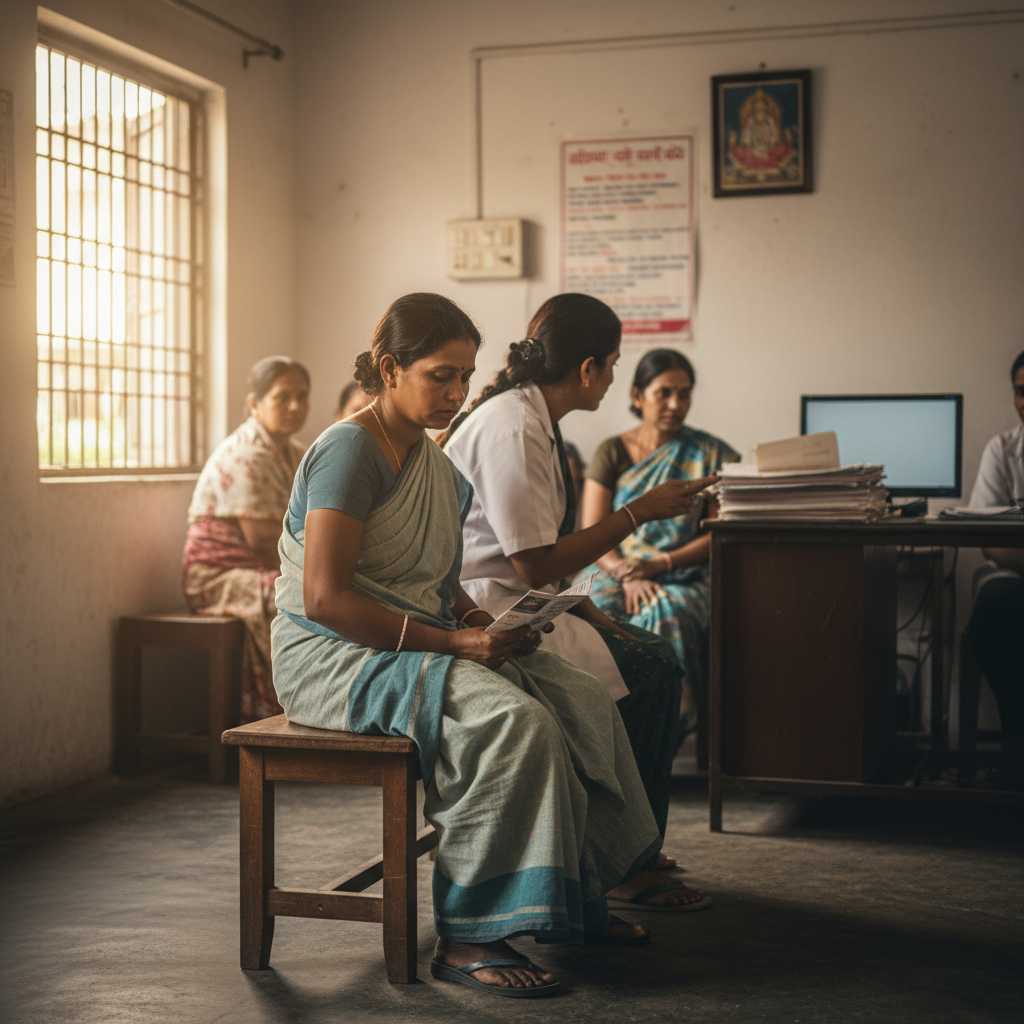
HIV Symptoms in Women illustration

HIV Symptoms in Women

👁 3 Views

<!doctype html>

Recognizing HIV Symptoms in Women: Early Signs, Stages, and What to Do

If you are concerned about HIV symptoms in women, it is essential to know that signs can vary, especially in the early stage and as time progresses. At TAAL+ Healthcare, we provide compassionate, stigma-free information and care for those at risk or living with HIV in India.

How HIV Manifests Differently in Women

Understanding HIV’s presentation in women starts with the initial weeks after infection, known as the window period. During this phase, some may notice physical changes, while others have no visible symptoms. The progression may also differ from men, and some signs specifically impact women’s health.

  • Acute infection (the 1st stage) can cause symptoms within one week to one month
  • Not every woman develops a rash, but skin changes may appear on the face, hand, or leg
  • Swollen lymph nodes in the groin or neck are a common physical sign
  • Nonspecific symptoms—like persistent night sweats or stomach discomfort—often go unrecognized
  • Visible symptoms may fade, but long term impacts develop over months to 1 year without treatment

Women often present with infections of the mouth, lips, or reproductive organs, and hormonal fluctuations caused by the virus can also affect overall health.

Spotting the Early Warning Signs

Early HIV symptoms in women can be subtle and mistaken for other conditions. The first signs may occur soon after exposure or not appear for weeks. Early detection is critical for effective management and reducing transmission risks.

  • Fever, fatigue, and night sweats are some of the initial symptoms during the acute stage
  • Unexplained rash commonly appears on the skin, including on the face or fingers
  • Mouth ulcers or infections can develop, often persisting longer than those caused by other illnesses
  • Swollen lymph nodes, especially in the groin area, are another key physical indicator
  • Digestive changes, such as stomach aches or loose stool, should not be overlooked

It’s important to note that these signs are not unique to HIV, so consult a specialist or use a confidential doctor consultation for accurate diagnosis.

Timelines and Progression: When Symptoms Develop in Women

The timeline of HIV symptoms varies. Some women notice immediate physical changes, while others might experience health shifts gradually.

  • The first stage (acute infection) may start around one week after exposure
  • Common symptoms can last days to several weeks
  • After initial symptoms, HIV may seem dormant, but long term complications begin to set in
  • Signs like recurrent infections, persistent swollen lymph nodes, and unexplained fatigue may appear as the virus progresses toward the last stage
  • Without ART, symptoms become more severe after 1 year or longer

Recognizing these shifts—and their timeline—strengthens your ability to seek timely care and prevents future complications.

Symptoms Unique and Common in Women

Certain presentations of HIV are more frequently seen or have specific relevance in women. Apart from common early symptoms, pay attention to signs that may suggest advancing infection.

  • Vaginal infections, oral issues, or skin rashes on the lip, leg, and hand are often early indicators
  • Menstrual irregularities or worsened PMS symptoms may appear due to hormonal disruption
  • Long standing groin discomfort and persistent swollen lymph nodes are not unusual
  • Physical exhaustion, loss of appetite, unexplained weight loss, or night sweats can set in at any stage
  • Skin changes, including rashes on the face, fingers, or other areas, should prompt consideration of HIV testing

If you’re experiencing more than one of these symptoms—especially after potential exposure—get checked at a confidential testing center or through an online consultation.

What to Do If You Notice Symptoms

Don’t ignore physical or visible health shifts, even if they seem minor. HIV is manageable—early testing and support are key.

  • Schedule a confidential consultation at TAAL+ Healthcare, or use our mental health services if you need support
  • Avoid self-diagnosing—get tested during the window period to confirm your HIV status
  • If positive, start ART immediately to prevent long term complications and reduce onward transmission
  • Discuss other sexually transmitted infections, as coinfection is common
  • Seek ongoing psychosocial and clinical support to navigate each stage of living with HIV

Resources like PEP for emergency HIV prevention and PrEP are also available for post-exposure concerns.

Diagnosis, Testing, and Managing Stigma

Testing for HIV as soon as possible is critical in the timeline of infection. Prompt diagnosis empowers you to control your health and protect others. Many women worry about confidentiality, but stigma-free testing and care are available in India today.

  • Get a comprehensive HIV and STI/STD screen if you notice any main or secondary symptoms
  • Testing is accurate after the window period, usually one to three weeks after possible exposure
  • Modern clinics, like TAAL+ Healthcare, offer private consultations, testing, and medication with full dignity
  • Confidential therapy and mental health support can help address the stress of diagnosis
  • Receiving care early—even if you feel healthy—prevents progression to long term or last stage HIV

If you are worried about judgement or privacy, choose a trusted provider known for inclusion and respect for all genders, such as those serving the LGBTQ+ community and people living with HIV across India.

Conclusion

Recognizing HIV symptoms in women, from the early stage to long term progression, requires both awareness and access to supportive, confidential care. Whether you’ve noticed a new rash, swollen lymph nodes, changes in your mouth or skin, or persistent physical discomfort, it’s essential to seek professional advice and prompt testing. With compassionate providers like TAAL+ Healthcare, you can move forward with both dignity and expert guidance at every step. If concerned, schedule a confidential consultation or HIV test and take control of your health early on.


Recent Post
Tags
Call WhatsApp Cart 0