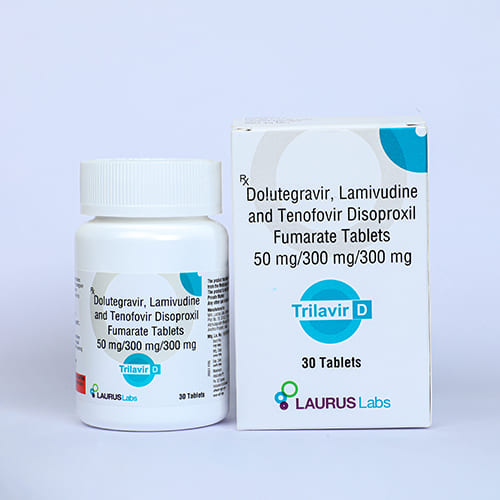
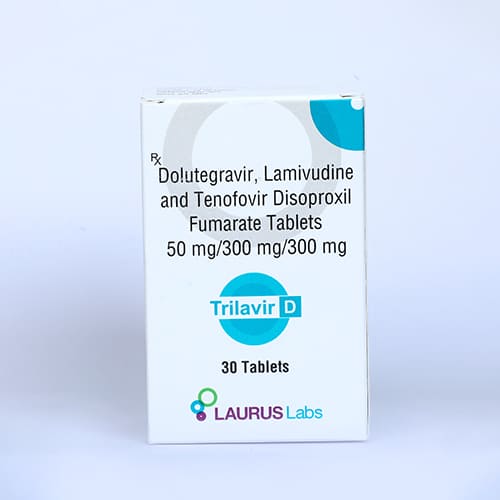
What is Trilavir D Tablet used for?
›Trilavir D Tablet is used to treat HIV-1 infection in adults as part of combination antiretroviral therapy (ART). It contains three antiretroviral medicines — Lamivudine 150mg, Zidovudine 300mg, and Nevirapine 200mg — that work together to suppress HIV-1 viral load, improve CD4 cell count, and prevent the disease from progressing to AIDS. It is taken under medical supervision as part of a doctor-prescribed HIV treatment plan.
What is the composition of Trilavir D Tablet?
›Each Trilavir D Tablet contains Lamivudine 150mg, Zidovudine 300mg, and Nevirapine 200mg. Lamivudine and Zidovudine belong to the NRTI (nucleoside reverse transcriptase inhibitor) class, while Nevirapine is an NNRTI (non-nucleoside reverse transcriptase inhibitor). Together they form a fixed-dose combination (FDC) that targets the HIV reverse transcriptase enzyme at two different binding sites, making it harder for the virus to develop resistance when taken consistently as prescribed.
How does Trilavir D Tablet work to treat HIV?
›Trilavir D Tablet works by blocking the reverse transcriptase enzyme that HIV-1 needs to copy its genetic material and multiply inside the body. Lamivudine and Zidovudine (NRTIs) act as faulty building blocks that the virus mistakenly incorporates into its DNA chain, stopping replication. Nevirapine (NNRTI) binds directly to the reverse transcriptase enzyme and disrupts its structure. This dual mechanism reduces HIV viral load in the bloodstream and allows the immune system’s CD4 cells to recover.
What is the recommended dosage of Trilavir D Tablet?
›The usual dose of Trilavir D Tablet is one tablet taken twice daily, or exactly as prescribed by your doctor. The tablet can be taken with or without food, though taking it with a light meal may help reduce nausea when starting treatment. Always take Trilavir D at the same times each day to maintain steady drug levels and support ART adherence. Never skip doses, as this can lead to drug resistance.
Can Trilavir D Tablet cure HIV or AIDS?
›No. Trilavir D Tablet does not cure HIV infection or AIDS. It helps control HIV-1 viral load, supports CD4 cell recovery, and prevents the disease from advancing to AIDS — but must be taken continuously and consistently as prescribed by your doctor. Stopping treatment without medical advice can lead to rapid viral rebound, drug resistance, and worsening of HIV infection.
What are the common and serious side effects of Trilavir D Tablet?
›Common side effects include nausea, vomiting, headache, fatigue, dizziness, diarrhoea, and skin rash, especially during the first few weeks. Serious side effects requiring immediate medical attention include severe skin reactions (Stevens-Johnson Syndrome), lactic acidosis (unusual muscle pain, weakness, rapid breathing), liver toxicity (yellowing of skin or eyes, dark urine, abdominal pain), bone marrow suppression, and severe allergic reactions. Contact your doctor immediately if any serious symptoms appear.
Does Trilavir D Tablet interact with other medicines?
›Yes. Trilavir D Tablet can interact with several medicines. Rifampicin (used for tuberculosis) significantly reduces Nevirapine blood levels, making the combination less effective. Antacids and iron supplements may affect absorption. Alcohol increases the risk of liver toxicity. Other antiretrovirals, anti-epileptics, azole antifungals, and oral contraceptives may also interact. Always inform your doctor about all prescription medicines, over-the-counter drugs, herbal supplements, and vitamins you are taking before starting Trilavir D.
Is Trilavir D Tablet safe during pregnancy or breastfeeding?
›Trilavir D Tablet use during pregnancy requires careful medical evaluation. Nevirapine has been used in preventing mother-to-child transmission (PMTCT) of HIV under medical supervision, but the safety of the full combination must be assessed by your doctor based on gestational age and maternal health. Breastfeeding while taking Trilavir D is not recommended without medical advice, as antiretroviral medicines can pass into breast milk. Always consult your doctor before use if you are pregnant, planning to conceive, or breastfeeding.
What tests are needed before and during Trilavir D Tablet treatment?
›Before starting Trilavir D, your doctor will typically recommend an HIV viral load test, a CD4 count test, liver function tests (LFT), complete blood count (CBC), and kidney function tests (KFT). During treatment, these tests are repeated at regular intervals — usually at 4–8 weeks initially, then every 3–6 months — to monitor viral suppression, immune recovery, and safety of all three drug components. Regular monitoring is essential for effective long-term ART management.
Who should not take Trilavir D Tablet?
›Trilavir D Tablet should not be taken by people who are allergic to Lamivudine, Zidovudine, Nevirapine, or any ingredient in the tablet. It should be used with caution — or avoided — in patients with moderate-to-severe liver disease, severe kidney impairment, or a history of serious skin reactions to Nevirapine or any NNRTI. It should not be taken alongside certain tuberculosis medicines like Rifampicin without a doctor’s guidance. Always disclose your full medical history and all medicines to your doctor before starting treatment.





 30% Off
 49% Off
 64% Off
 72% Off
 30% Off
 +91 98925 15959