

<!doctype html>
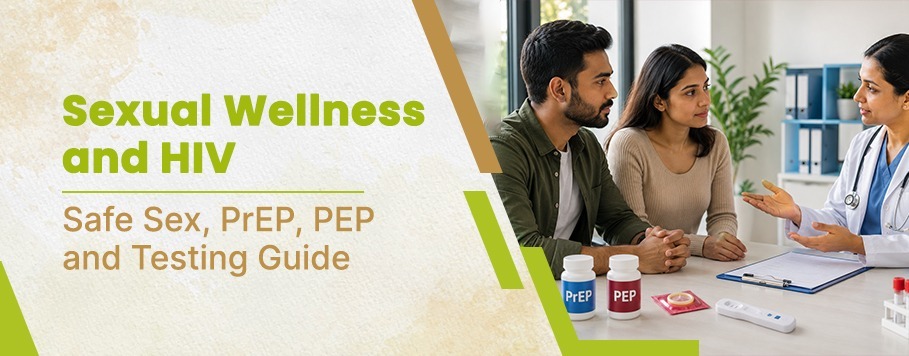
Sexual wellness and HIV prevention are best managed with the right information, timely testing and confidential medical guidance. Whether someone is planning protection before exposure, worried after condom breakage or looking for routine HIV/STI testing, understanding safe sex, PrEP, PEP, doctor-guided options such as Viropil PEP Tablet and doctor consultation can help them take the right next step without panic or judgement.
Safe sex and HIV prevention includes condoms, honest communication, regular testing, understanding partner risk, avoiding shared needles, vaccination where relevant, and timely medical advice. Condoms reduce risk when used correctly, but mistakes such as late use, breakage or slippage can happen. In such cases, people should not panic or rely on internet advice alone. They should consult a doctor quickly to understand whether HIV testing, STI testing or PEP after exposure is needed. Sexual wellness also includes consent, comfort, privacy, fertility concerns, pain, discharge, ulcers and emotional wellbeing.
PrEP for HIV prevention is for HIV-negative people who may have ongoing risk and want protection before possible exposure. Before starting PrEP, a doctor may review HIV status, kidney health, hepatitis status, risk pattern and follow-up testing needs. Options such as Tenof EM PrEP, Tenof EM Tablet, Tavin-EM Tablet PrEP, EMTAF PrEP and Tafero EM may be discussed only after proper medical evaluation. PrEP should always be taken under a qualified doctor’s guidance, with regular testing and follow-ups.
PEP after exposure is different from PrEP. PEP is an emergency option considered after possible HIV exposure, such as condom breakage, unprotected sex, sexual assault or needle exposure. Medicines like Viropil PEP Tablet and Spegra PEP Tablet may be discussed during consultation, but they should be taken only if prescribed by a doctor. A specialist will assess the exposure, timing, HIV status, current medicines and follow-up testing needs before advising the right option.
HIV testing is essential because many people do not have symptoms in early infection. STI testing is also important because infections such as syphilis, gonorrhoea, chlamydia, hepatitis B or hepatitis C may occur with or without visible symptoms. Testing should not be viewed as shameful. It is a responsible health step for both the individual and their partner. Confidential testing also helps reduce anxiety because users get clear next steps instead of relying on assumptions. Depending on risk and timing, a doctor may advise baseline tests and repeat testing after the window period.
A doctor consultation is recommended after condom breakage, unprotected sex, multiple partners, symptoms such as discharge, sores, burning urination, rash, fever or swollen glands, or if someone wants to know whether PrEP is suitable. Consultation is also important when a patient is already taking medicines for HIV, BP, diabetes, mental health or other conditions. For sensitive concerns, online consultation can help users ask questions privately and receive the next steps. Emergency situations, assault or severe symptoms should be handled urgently.
Sexual wellness also involves partner communication and follow-up. People may feel nervous discussing HIV testing, PrEP, PEP or STI testing, but honest conversations can reduce fear and improve safety. A doctor can help explain which tests are needed, when repeat testing is required and whether partner testing should be considered. This is especially useful after a new relationship, condom breakage, multiple partners or symptoms. Follow-up matters because one negative test immediately after exposure may not be the final answer depending on the window period
PrEP is taken before possible HIV exposure for ongoing prevention in eligible HIV-negative people. PEP is considered after possible exposure and must be started quickly after medical assessment.
Yes. HIV testing and medical review are important before starting PrEP and during follow-up. Testing helps confirm HIV-negative status and supports safer ongoing prevention.
Seek medical advice quickly to assess HIV/STI risk, testing needs and whether Viropil PEP Tablet or Spegra PEP Tablet may be appropriate after doctor assessment. Do not delay consultation because timing is important for PEP decisions.
Yes. PrEP helps reduce HIV risk but does not protect against all sexually transmitted infections. Regular STI testing, condoms and doctor follow-ups remain important for sexual wellness.
No. PrEP and PEP should be taken only after proper medical consultation, HIV testing and risk assessment. A doctor can guide the right medicine, dosage, safety checks and follow-up testing based on individual health needs.
Sexual wellness and HIV prevention become easier when people understand the role of condoms, HIV testing, STI testing, PrEP and PEP and doctor-guided emergency HIV prevention options such as Viropil PEP Tablet and Spegra PEP Tablet. The key is to plan prevention before exposure, act quickly after possible exposure, test regularly and consult a doctor without hesitation. With confidential guidance, proper testing and timely treatment support, individuals can protect their health and make safer decisions with confidence.
 +91 98925 15959

Before You Go
The HIV Test Kit Is Still FREE
A private HIV self-test, delivered in plain packaging. Result in 20 minutes, at home. No cost, no clinic visit, and a TAAL+ doctor on call whichever way it goes.
Offer valid only in India till 30 September 2026. T&Cs apply.