

<!doctype html>
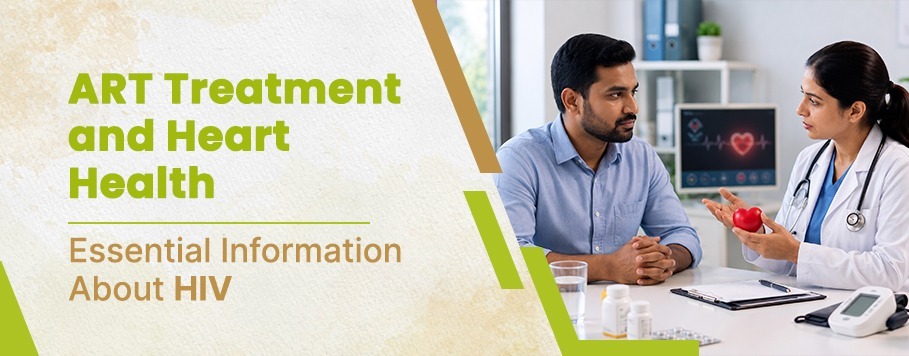
ART treatment helps people living with HIV manage the virus and lead healthier lives when medicines such as Viropil Tablet are taken regularly as prescribed. Along with HIV control, it is also important to monitor heart health, including blood pressure, cholesterol, blood sugar and lifestyle risks. Check out how ART treatment and heart health are connected, why regular lab testing matters and when HIV patients should consult a doctor for long-term wellness.
HIV and heart disease risk is influenced by many factors. Some are common in the general population, such as sedentary lifestyle, high-salt diet, tobacco use, poor sleep and weight gain. Others may be related to chronic inflammation, co-existing infections, metabolic changes or long treatment history. This does not mean ART should be feared. In fact, ART treatment is essential for HIV control and should be continued as prescribed. The right approach is to combine effective HIV treatment with routine cardiovascular risk review. Patients should understand that a healthy heart supports better energy, mobility, kidney function and long-term quality of life.
Blood pressure in HIV patients should be checked regularly because hypertension can remain silent. Cholesterol and blood sugar should also be reviewed based on the doctor’s advice. A person may have no symptoms but still show early risk through lab reports. Tracking reports across visits also helps the doctor notice gradual changes before they become urgent. Lipid profile, fasting sugar, HbA1c, kidney function, liver function and urine tests may help the clinician assess the complete picture. For patients with hypertension in HIV patients, BP records and lab results together help decide whether lifestyle changes, further testing or medicines are required.
HIV patients on ART should take their medicines regularly as prescribed, including Viropil Tablet or Spegra Tablet, because missed doses or stopping treatment without medical advice can affect viral suppression. Regular follow-ups allow doctors to review ART medicines, lab reports, blood pressure, side effects, and any other health concerns.
TAAL+ Healthcare offers HIV medicine information and prescription-based support for medicines such as Taffic Tablet, Spegra Tablet, Viropil Tablet, and Vonavir Tablet.
Patients should consult their doctor for missed doses, side effects, medicine interactions, or concerns related to BP, kidney health, liver health, or long-term ART monitoring.
Lifestyle is a major part of long term ART care. Patients can support heart health by reducing salt, limiting packaged foods, eating balanced meals, staying physically active, maintaining a healthy weight, avoiding smoking and limiting alcohol. Exercise does not have to be intense to be useful. A consistent walking routine, yoga, stretching or doctor-approved activity can help. Sleep and stress management are also important because poor sleep and chronic stress may worsen BP and reduce motivation for treatment adherence. Patients who struggle with anxiety, stigma or fatigue should be encouraged to seek counselling.
Patients should book a doctor consultation if BP readings are repeatedly high, if there is chest discomfort, breathlessness, swelling, sudden weakness, dizziness, severe headache or unusual tiredness. They should also consult if they are taking medicines for diabetes, cholesterol, BP, kidney disease or mental health along with ART. A doctor can review current HIV medicines, including Viropil Tablet or Spegra Tablet lab results and lifestyle factors to create a safe plan.
Yes. Heart-health monitoring, including BP, cholesterol and blood sugar review, can be part of long-term HIV care as advised by the doctor. It helps identify risk factors before they become serious.
No. Do not stop or change ART without medical advice because interruption can affect HIV control. Discuss BP concerns with an HIV specialist for proper evaluation and safe treatment decisions.
Lab testing helps doctors monitor viral load, CD4 count, kidney function, liver function, lipids and blood sugar. These reports support safer ART follow-up and broader heart-health assessment.
Yes. Balanced food, regular activity, healthy weight, no tobacco, limited alcohol and stress management can support heart health. These steps work best when combined with regular HIV care and doctor follow-ups.
The follow-up frequency depends on the patient’s ART plan, lab reports, BP readings and overall health condition. Many patients may need periodic reviews for blood pressure, cholesterol, blood sugar, kidney function and liver function as advised by their HIV specialist.
ART treatment and heart health belong in the same conversation. A patient can be committed to HIV care and still need support for blood pressure, cholesterol, diabetes or lifestyle risk. With regular monitoring, lab testing, medicine review and doctor consultation, people living with HIV can take practical steps toward long-term wellness.
 +91 98925 15959

Before You Go
The HIV Test Kit Is Still FREE
A private HIV self-test, delivered in plain packaging. Result in 20 minutes, at home. No cost, no clinic visit, and a TAAL+ doctor on call whichever way it goes.
Offer valid only in India till 30 September 2026. T&Cs apply.