

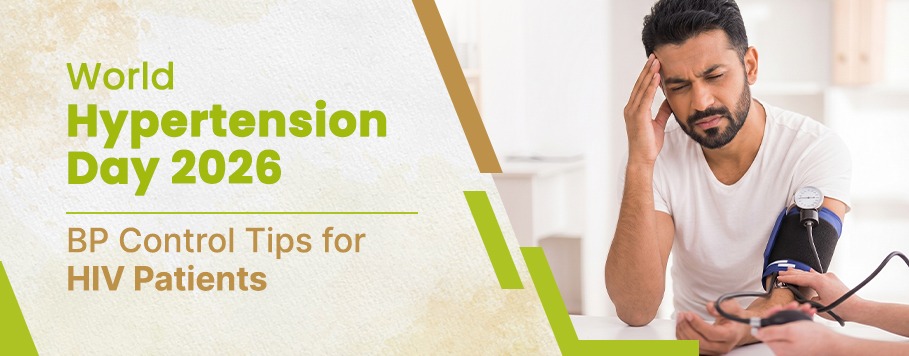
World Hypertension Day 2026 is observed on 17 May and focuses attention on prevention, detection and control of high blood pressure. For people living with HIV, the day is a strong reminder that good health is built through daily habits and regular follow-up.
Hypertension in HIV patients may remain silent, so a person may feel fine even when BP is consistently high. HIV and heart health are connected because long-term wellness depends on more than an undetectable viral load. Cardiovascular risk in HIV should be reviewed as part of routine care, especially when a patient is ageing or has been on treatment for many years.
The most practical first step is regular BP monitoring. A single reading can be affected by stress, caffeine, exercise or timing, but repeated readings show a clearer pattern. Patients can check BP during clinic visits or at home with a validated device if advised.
It is useful to record the date, time, reading and any symptoms. This record helps the doctor understand whether lifestyle changes are enough or whether further assessment is needed.
For people living with HIV, regular ART treatment, including prescribed medicines such as Viropil Tablet and Spegra Tablet, plays an important role in long-term health management. Patients should continue their prescribed ART as advised and should not skip, stop or change any medicine without medical guidance.
During consultation, it is important to inform the doctor about all current medicines, including ART, blood pressure tablets, supplements, herbal products or any over-the-counter medicines. TAAL+ Healthcare provides access to HIV medicine resources such as Taffic Tablet, Spegra Tablet, Viropil Tablet and Vonavir Tablet, which may be used in HIV care only when prescribed by a doctor.
BP control does not always require an extreme diet. Practical changes include:
Patients who have diabetes, kidney disease or weight concerns should follow personalised dietary advice from their doctor.
Regular movement supports heart health, weight management, sleep and mood. Walking, yoga, stretching, cycling or doctor-approved exercise can be helpful. Patients should start gradually if they have been inactive.
Stress management is equally important. HIV-related stigma, relationship concerns, work pressure or treatment fatigue can affect mental wellbeing and may indirectly affect BP control. Counselling and mental health support can help patients stay consistent with treatment and lifestyle changes.
A regular health checkup for HIV patients may include lipid profile, blood sugar, kidney function, liver function, urine tests, viral load and CD4 count as recommended. These tests help doctors identify hidden risks that are not visible through symptoms. For patients with high BP, kidney function and cholesterol monitoring are especially important.
TAAL+ Healthcare supports HIV patients with confidential doctor consultation, ART review, lab testing and long-term care planning. Whether you need a BP review, medicine check or lifestyle guidance, our team is available for in-clinic and online appointments across India.
World Hypertension Day 2026 is the right time to tell HIV patients that prevention and monitoring are powerful. BP control tips work best when combined with consistent ART, regular lab testing, healthy habits, mental health support and timely consultation. Do not wait for symptoms. Start monitoring today.
Why is World Hypertension Day important for HIV patients?
World Hypertension Day encourages regular BP checks and awareness about silent heart-health risks. For HIV patients, it is a useful reminder that HIV care should include BP monitoring, lifestyle care and doctor-led follow-ups.
Can ART affect blood pressure?
Blood pressure can be influenced by age, lifestyle, weight, stress, kidney health and other medicines. Patients taking ART medicines such as Viropil Tablet or Spegra Tablet should not assume ART is the cause or stop treatment without speaking to an HIV specialist.
What are simple BP control tips for HIV patients?
Patients can follow doctor-advised ART, check BP regularly, reduce salt intake, stay active, sleep well and avoid tobacco. Any lifestyle change should be discussed with a doctor if the patient has other health conditions.
How often should HIV patients check their blood pressure?
HIV patients should check their blood pressure regularly, especially if they are on long-term ART, have a family history of hypertension or have lifestyle risk factors. The exact frequency should be decided by the doctor based on age, health condition and current treatment plan.
When should an HIV patient consult a doctor for high blood pressure?
An HIV patient should consult a doctor if blood pressure readings remain high, or if they experience headaches, dizziness, chest discomfort, breathlessness or unusual fatigue. Early medical advice helps manage hypertension safely without disturbing HIV treatment.
 +91 98925 15959

Before You Go
The HIV Test Kit Is Still FREE
A private HIV self-test, delivered in plain packaging. Result in 20 minutes, at home. No cost, no clinic visit, and a TAAL+ doctor on call whichever way it goes.
Offer valid only in India till 30 September 2026. T&Cs apply.