


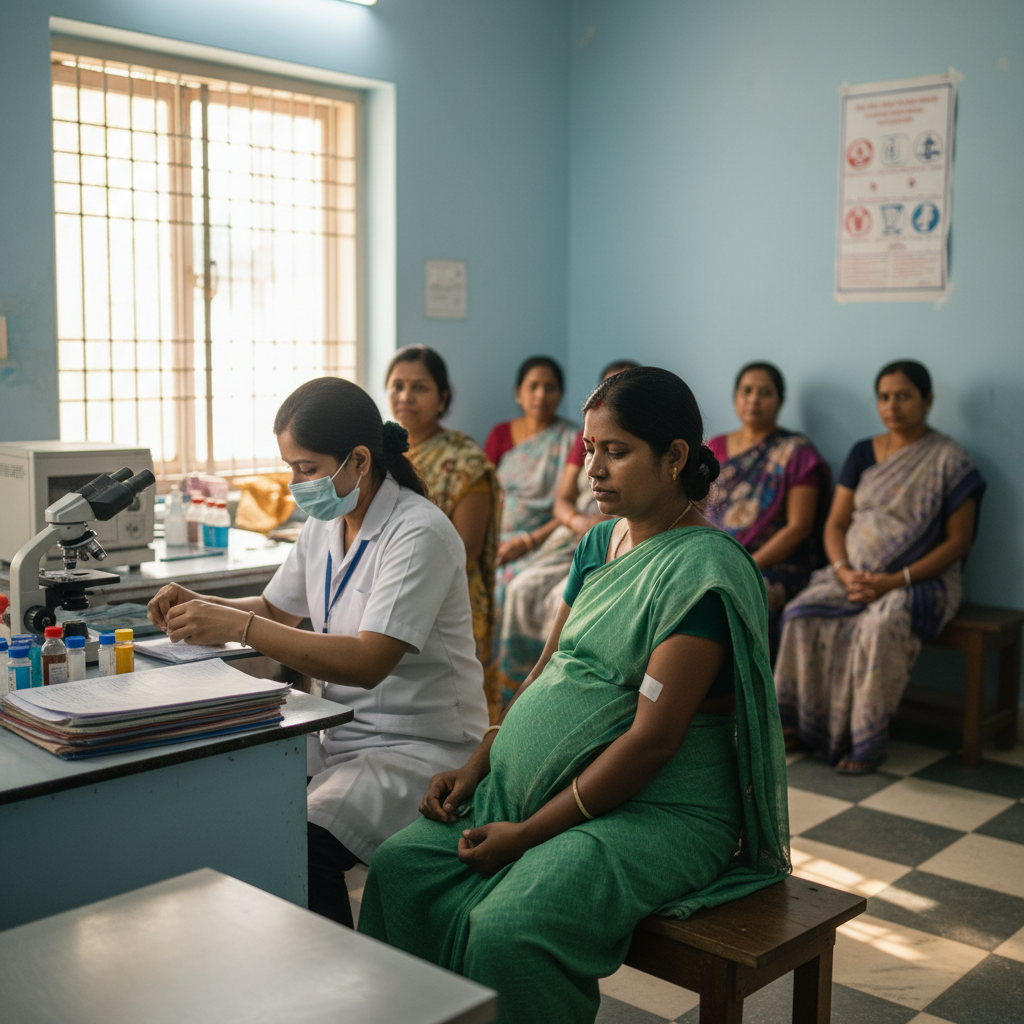
Understanding HIV Testing for Expectant Mothers: Steps to Protect You and Your Baby
Purpose of this guideline
HIV testing and care during pregnancy play a crucial role in safeguarding both maternal and child health. At TAAL+ Healthcare, we ensure thorough HIV screening with compassionate support, aiming to provide confidential and stigma-free care throughout your pregnancy journey. This guideline explains why early HIV testing, using tools like the HIV rapid test kit and HIV kit, matters for every pregnant woman, and how our integrated services support your unique needs for a safe antenatal care experience.
Universal HIV screening in pregnancy
HIV can be transmitted from mother to baby during pregnancy, delivery, or breastfeeding, making early screening essential. Universal HIV screening is recommended for all pregnant women in India, regardless of perceived risk. This approach ensures that no case of HIV goes undetected, reducing the chance of mother-to-child transmission with early intervention.
- Every pregnant woman should undergo at least one HIV test early in pregnancy as part of routine antenatal care.
- HIV 4th generation tests are highly sensitive, allowing for earlier detection than previous generations.
- If the initial test is negative, additional tests may be considered later in pregnancy for those at higher risk or in high-prevalence regions.
- Rapid test kits offer point-of-care results within minutes, supporting timely diagnosis and care planning.
Universal screening provides the best chance to begin HIV treatment early, dramatically lowering risks to the baby and improving lifelong health outcomes.
HIV testing during labor and in newborns
Sometimes, HIV status may be unknown at the time of delivery. In such cases, rapid testing during labor is crucial. These tests produce results quickly, guiding urgent management to reduce transmission risks.
- If a mother’s HIV status is unknown, a rapid HIV test kit should be administered as soon as labor begins.
- Newborns born to mothers with positive HIV results or uncertain status should be tested within 48 hours using neonatal protocols.
- In cases of positive maternal results, specialized infant care and HIV treatment can start immediately to protect the newborn.
Prompt testing during labor and after birth allows for life-saving interventions, even at the last minute, ensuring the best outcomes for both mother and baby.
HIV testing and management checklist
Ensuring comprehensive HIV care involves a systematic approach before, during, and after pregnancy. Following a well-structured checklist helps maintain the highest standards of care.
- Early HIV screening for all mothers during antenatal care visits using an HIV rapid test kit or HIV 4th generation test.
- Confirm results with a second method if an initial result is positive to rule out false positives.
- Initiate or continue HIV treatment for those testing positive, with regimen tailored for pregnancy.
- Educate mothers about the importance of regular antenatal care and adherence to prescribed therapy.
- Provide mental health support and counseling, with an emphasis on confidentiality and emotional well-being.
- Monitor viral load and overall health throughout pregnancy with regular check-ups.
- Coordinate with pediatric care for babies born to mothers with HIV, ensuring prompt newborn testing and prophylaxis.
This proactive checklist helps mothers navigate all aspects of HIV and pregnancy confidently, backed by medical expertise and stigma-free care.
All recommendations
Current Indian and global guidelines shape these best practices for HIV testing and management in pregnancy. These recommendations are designed to ensure maximum protection for both mothers and their children.
- Include HIV testing as part of the routine antenatal panel for every pregnant patient.
- Use HIV 4th generation technologies wherever available for early detection.
- Re-screen later in pregnancy for those at increased risk, including those with possible new exposures or living in high-prevalence regions.
- Immediately initiate HIV treatment for those with positive results and maintain regular follow-up.
- Address mental health needs and the emotional impact of testing with professional support.
- Combine HIV and syphilis testing to protect maternal and newborn health.
Adherence to these recommendations helps prevent mother-to-child transmission and supports long-term well-being for families affected by HIV.
Testing for acute HIV
Acute HIV infection can present with subtle symptoms or go unnoticed but carries a higher risk of transmission, especially during pregnancy. Timely detection is vital for early intervention.
- Women experiencing flu-like symptoms or unexplained fever during pregnancy should be evaluated for acute HIV using a sensitive HIV 4th generation test.
- Early HIV treatment initiation significantly lowers transmission risk to the baby.
Recognizing acute infection signs and testing promptly close any diagnostic gaps and enhance the safety of both mother and child.
Third trimester HIV and syphilis testing
Repeat HIV and syphilis testing in the third trimester offers an extra layer of protection for those at ongoing risk. This timing catches any new infections acquired since the last test.
- Re-screening is especially important for those with partners at high risk, or who live in regions with higher prevalence of HIV.
- Testing with an HIV rapid test kit, alongside syphilis screening, is effective and efficient.
Late-pregnancy screening ensures timely care and reduces the chance for perinatal HIV transmission in India.
PrEP to prevent HIV
For women who are HIV-negative but at risk, pre-exposure prophylaxis (PrEP) during pregnancy can prevent infection. This preventive option, overseen by an experienced clinician, is increasingly available through community-rooted services.
- PrEP is safe for use during pregnancy and breastfeeding with proper medical oversight.
- Consult with a provider to assess individual risk and determine if PrEP is appropriate during pregnancy.
This added layer of protection is particularly valuable for partners of HIV-positive individuals and those living in high-prevalence communities.
Checklist for HIV testing and prophylaxis during labor and in newborns
When HIV status is unknown at delivery or risk of new infection exists, a dedicated checklist improves outcomes:
- Administer HIV rapid testing on admission to labor ward if status is unknown.
- Begin immediate infant prophylaxis if maternal results are positive or pending.
- Arrange newborn HIV testing within 48 hours and follow up with specialists as needed.
- Ensure access to ongoing HIV treatment and mental health support for the family.
Structured protocols prevent missed opportunities for intervention and enhance the safety of mother and baby.
Views
Patients often have questions about HIV test and pregnancy, ranging from risks, symptoms, and the safety of testing to how to manage a positive result. Open, stigma-free conversations with knowledgeable professionals make all the difference for peace of mind. For further guidance, explore information about HIV treatment, sexual wellness, and mental health at TAAL+ Healthcare.
In this page
This guide covers everything expectant mothers and providers need to know about HIV testing during pregnancy, including screening protocols, management guidelines, and how to access discreet support through TAAL+ Healthcare’s integrated services.
Other titles in this collection
Related resources include advanced HIV 4th generation testing, sexual health support, and mental health services for individuals and families. Browse our collection for guidance tailored to your needs.
Publisher links
Access trusted, WHO-approved guidance and updates on HIV care, sexual wellness, and integrating mental health support into maternal care on the TAAL+ Healthcare website.
Related information
TAAL+ Healthcare also offers recommendations on mental health support, chronic disease management, and sexual wellness, making it easier to find end-to-end health solutions for individuals and families.
Recent activity
Recent updates include improved access to HIV rapid test kits and expanded online pharmacy services for discreet home delivery of antiretroviral medicines and sexual health products.
Supplementary material
Further reading is available on current HIV prevalence, modern HIV treatment advances, and living positively with HIV during pregnancy, along with practical advice for expectant mothers and their families.
Footnotes
Clinical references and WHO guidelines inform all medical recommendations. If you have questions about HIV test and pregnancy, contact our confidential medical team for support.
Account
Create a secure account at TAAL+ Healthcare to schedule appointments, manage prescriptions, or securely access lab test results anytime, anywhere.
Conclusion
Early and repeated HIV screening, tailored management, and stigma-free support are essential for protecting the health of both mother and baby during pregnancy. By accessing services at TAAL+ Healthcare, you gain confidential solutions, WHO-approved medicines, and the expertise of clinicians experienced in HIV, antenatal care, and maternal well-being. Schedule your HIV test today or speak to a healthcare provider to ensure the safest journey for you and your child.


